
Exploring the psychology of gambling in casinos
The Allure of Casinos: Why We Gamble
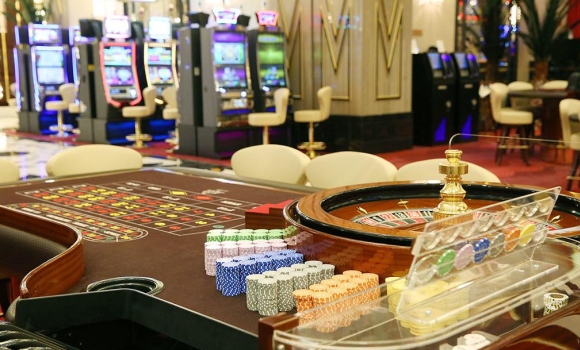
The thrill of gambling often stems from its psychological appeal, drawing individuals into the vibrant world of casinos. This allure can be attributed to the mix of excitement, risk, and the potential for significant rewards, especially when players seek out options that offer seamless transactions like crypto casino instant withdrawal for their winnings. The ambiance of a casino—bright lights, enticing sounds, and the buzz of fellow gamblers—creates a captivating environment that stimulates one’s senses and encourages participation. The psychology of anticipation plays a crucial role; the hope of winning, even against the odds, generates a sense of euphoria that can be hard to resist.
Furthermore, many people are attracted to gambling as a form of escapism. In an increasingly stressful world, the carefree atmosphere of a casino offers a temporary release from the daily grind. Gamblers often find solace in the immersive experience, where the outside world recedes and only the game matters. This psychological reprieve can foster a cycle of returning to the casino, as the initial escapism turns into a repeated behavior, driven by the desire to recapture that high of risk and reward.
Additionally, social factors significantly influence why people gamble in casinos. Many see it as a social activity, where they can bond with friends or meet new people through shared experiences. The communal aspect of gambling can create a sense of belonging; people often engage in conversations about strategies, experiences, and outcomes. This shared enthusiasm can further amplify the psychological draw of casinos, making them not just places to win or lose money but vibrant social hubs that foster connections.
The Role of Cognitive Biases in Gambling
Cognitive biases significantly impact gamblers’ decisions, often skewing their perception of risk and reward. One common bias is the illusion of control, where individuals believe they can influence the outcome of random games, such as slot machines or roulette. This false sense of agency can lead players to make irrational decisions, such as betting more in hopes of changing their luck. Understanding how these biases work is crucial in deciphering the complex psychology behind gambling behavior.
Another cognitive bias prevalent in gambling is the gambler’s fallacy—the mistaken belief that past events affect future outcomes in random games. For instance, if a player observes a certain number has not been rolled in a while, they may feel it is ‘due’ to come up soon. This misconception can lead to increased betting and irrational decision-making, often resulting in financial losses. Being aware of these cognitive traps is essential for both players and researchers who study gambling behaviors.
Lastly, loss aversion plays a significant role in gambling psychology. The fear of losing money often outweighs the joy of gaining it, compelling players to chase their losses rather than quit while they are ahead. This emotional response can drive gamblers into a vicious cycle of betting more excessively in hopes of recouping what they lost, leading to more significant financial and psychological consequences. By understanding these cognitive biases, gamblers can make more informed decisions and develop healthier gambling habits.
The Emotional Rollercoaster of Gambling
The emotional landscape of gambling in casinos is as varied as the games themselves. Gamblers often experience a range of emotions—from sheer excitement and joy when winning to anxiety and despair when facing losses. This emotional rollercoaster can create a powerful psychological impact, making gambling an addictive pastime for some. The highs associated with winning can produce feelings similar to those achieved through other addictive behaviors, reinforcing the desire to keep playing.
Moreover, the thrill of risk-taking can heighten emotional engagement, leading individuals to seek out more gambling experiences. Each game presents an opportunity for a surge of adrenaline, and for many, the rush is irresistible. This psychological craving for excitement can overshadow rational thinking, resulting in poor decision-making and increased financial risk. Gamblers can become trapped in a cycle where the highs and lows of their experiences dictate their emotional state, further entrenching them in the gambling lifestyle.
Some gamblers may also develop a psychological dependence on the emotions associated with gambling, particularly if they are using it as a coping mechanism. The excitement derived from betting can mask underlying issues such as stress or depression, providing temporary relief but ultimately leading to more significant problems. Understanding these emotional dynamics is essential for anyone looking to navigate the complex world of casino gambling, as they can profoundly affect behavior and decision-making.
Responsible Gambling and Psychological Awareness
While gambling can be a fun and enjoyable activity for many, it also comes with the responsibility of recognizing when it becomes harmful. Developing psychological awareness is crucial for those who engage in gambling, enabling them to understand their impulses and monitor their behaviors. Responsible gambling initiatives often focus on educating players about the risks and promoting self-awareness to mitigate potential harm related to excessive gambling.

Psychological interventions, such as self-exclusion programs and smart betting limits, can help individuals recognize their gambling habits and make more informed decisions. These strategies encourage players to set limits on their spending and time spent gambling, reinforcing the importance of moderation. By cultivating self-awareness and implementing these strategies, individuals can enjoy the thrill of gambling while minimizing the risks associated with it.
Additionally, seeking support from friends, family, or professional services can be vital for maintaining a healthy relationship with gambling. Many casinos and organizations offer resources for those struggling with gambling addiction, providing assistance and strategies to cope with the psychological challenges that arise. By embracing a culture of responsible gambling, players can foster a safer and more enjoyable environment, prioritizing their well-being over potential financial gain.
Conclusion: The Psychological Landscape of Online Casinos
As we continue exploring the intricacies of gambling psychology, it’s essential to recognize the unique elements that online casinos bring to the table. The digital realm provides a different environment compared to traditional casinos, often amplifying many of the psychological factors discussed. The convenience and accessibility of online gambling can lead to increased impulsivity and a higher risk of developing problematic behaviors.
The absence of physical interactions in online casinos can also alter the emotional experience. Gamblers may miss out on the social aspects that traditional casinos offer, potentially increasing feelings of isolation, which can exacerbate existing challenges. Understanding these dynamics is vital for new players entering the online space, emphasizing the need for awareness and caution as they explore this modern gambling frontier.
As the world of gambling continues to evolve, both in brick-and-mortar establishments and online, fostering a deeper understanding of the psychological factors at play becomes increasingly important. Awareness of cognitive biases, emotional responses, and the necessity for responsible gambling practices can empower individuals to engage in pursuits that are both thrilling and safe. By prioritizing education and psychological health, players can enjoy the dynamic landscape of gambling without falling prey to its potential pitfalls.
